Why the Same Generic Pill Costs $4 in One State and $40 in Another
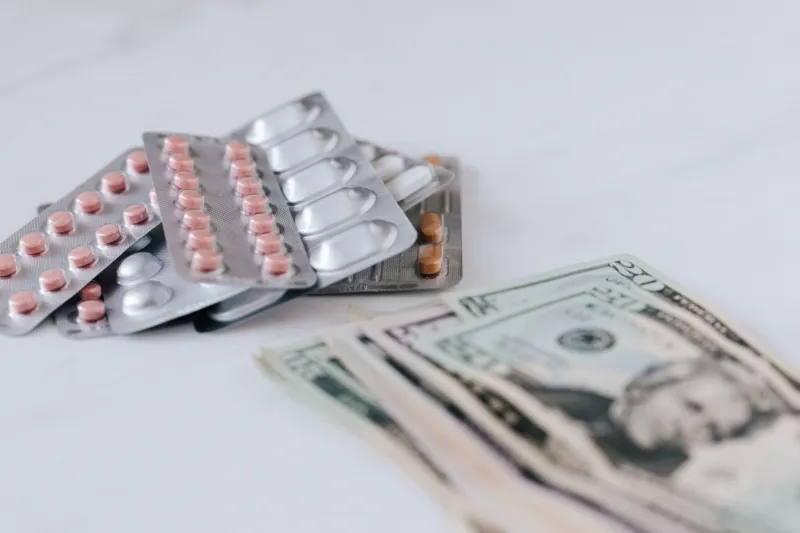
Consider two Americans, both uninsured, both managing type 2 diabetes, both picking up a 30-day supply of metformin 500mg at a retail pharmacy. One lives in Minnesota. The other lives in Mississippi. The medication in each bottle is chemically identical, manufactured to the same FDA standards, and dispensed under the same federal regulatory framework. Yet the price at the counter can differ by a factor of five or more.
This is not an anomaly. It is a structural feature of how prescription drug pricing works in the United States—and for consumers of generic medications, understanding the geography of that pricing is one of the most actionable steps toward reducing out-of-pocket costs.
The Layered System That Sets What You Pay
Generic drug pricing in the United States is not set by a single authority. Instead, what a consumer pays at the pharmacy counter is the product of at least four overlapping systems operating simultaneously:
Wholesale acquisition cost (WAC): The manufacturer's list price, which serves as a baseline but is rarely what anyone actually pays.
Pharmacy benefit managers (PBMs): Large intermediaries—primarily CVS Caremark, Express Scripts, and OptumRx—negotiate reimbursement rates with pharmacies and set formulary structures for most commercial insurance plans. Their contracted rates vary by region and by the size of their network.
State insurance mandates: Each state has the authority to require that insurance plans cover certain drug classes, impose maximum out-of-pocket caps on specific medications, or mandate generic substitution policies. These requirements differ substantially across state lines.
Medicaid reimbursement policies: Because Medicaid is jointly funded by federal and state governments, each state administers its own preferred drug list and reimbursement schedule. A generic medication on the preferred tier in one state's Medicaid program may sit on a non-preferred tier—or be excluded entirely—in a neighboring state.
Case Studies: The Price Gap in Practice
The pricing disparities become concrete when examined through specific drug examples.
Insulin Pricing Caps
As of 2024, more than 25 states have enacted insulin pricing caps for state-regulated insurance plans, limiting monthly out-of-pocket costs to between $25 and $100. California, Colorado, and New York are among the states with the most comprehensive caps. However, these state laws apply only to plans regulated at the state level—they do not cover self-insured employer plans, which are governed by federal ERISA law and exempt from state insurance mandates. This means that two colleagues working for different employers in the same city may face vastly different insulin costs, with one paying a capped $35 and the other paying several hundred dollars monthly.
Metformin and the Cash-Pay Discount Divide
Metformin, the first-line generic treatment for type 2 diabetes, illustrates how discount programs interact unevenly with geography. GoodRx and similar platforms negotiate discounted cash prices with individual pharmacy chains, and those negotiated rates are not uniform nationwide. A GoodRx coupon for a 90-day supply of metformin 500mg may yield a price of approximately $9 at a major chain in a high-competition urban market in Texas, while the same coupon at an independent pharmacy in a rural area of West Virginia—where fewer competing pharmacies exist—may produce a price closer to $18 to $22. The drug is identical. The market structure is not.
Generic Statins in Medicare Part D
Medicare Part D plans, while federally structured, are administered by private insurers whose formularies vary by region. An analysis of Part D plan data consistently shows that generic atorvastatin—the most widely prescribed cholesterol medication in the United States—carries different cost-sharing tiers across plans sold in different states. A beneficiary in Florida shopping among Part D options may find plans where atorvastatin sits on Tier 1 with a $0 or $1 copay, while a beneficiary in Montana, where fewer plan options exist, may find the same drug on Tier 2 with a $10 to $15 copay. Over a year, that difference compounds significantly.
Why State Regulations Create Such Wide Variation
The fundamental driver of geographic pricing disparities is the United States' deliberate federalist approach to insurance regulation. The McCarran-Ferguson Act of 1945 reserved substantial insurance regulatory authority for individual states, and that structure has never been fully superseded. The Affordable Care Act added a federal floor for certain coverage requirements, but it did not standardize drug formularies or pricing structures.
The result is 50 distinct regulatory environments, each with its own pharmacy practice act, generic substitution laws, price transparency requirements, and Medicaid supplemental rebate agreements. States with more aggressive pharmacy benefit regulations—such as California, which enacted comprehensive PBM oversight legislation in 2022—tend to produce more competitive generic pricing for consumers. States with lighter regulatory frameworks often see wider variation between pharmacies and higher average out-of-pocket costs for uninsured or underinsured residents.
Strategies for Navigating the Geographic Pricing Gap
While systemic reform is a legislative matter beyond any individual consumer's control, several practical strategies can substantially reduce the impact of geographic pricing disparities.
Use Mail-Order and Online Pharmacies That Cross State Lines
Federally licensed mail-order pharmacies are not bound by the pricing structures of any single state's retail market. Mark Cuban's Cost Plus Drugs (costplusdrugs.com), Amazon Pharmacy, and established mail-order divisions of major PBMs all offer pricing that reflects national negotiated rates rather than local market conditions. For consumers in high-cost states or rural areas with limited pharmacy competition, switching maintenance medications to a mail-order platform can generate savings of 40 to 70 percent on common generics.
Compare GoodRx, RxSaver, and Manufacturer Patient Assistance Programs
No single discount platform offers the lowest price at every pharmacy in every location. Consumers should compare prices across at least two platforms before filling a prescription. Additionally, several generic manufacturers offer direct patient assistance programs for low-income consumers that are available regardless of state of residence.
Verify Your Plan's Formulary Annually
State-regulated and federally regulated insurance plans both update their formularies each plan year. A generic medication that was on your plan's preferred tier last year may have moved—or a lower-cost generic may have become newly available. The Medicare Plan Finder tool (medicare.gov) and your state insurance commissioner's website are the most reliable resources for comparing formulary structures during open enrollment.
Understand Your State's Generic Substitution Law
Every state has a generic substitution law that governs when pharmacists may—or must—dispense a generic in place of a brand-name drug. In mandatory substitution states, pharmacists are required to dispense the least expensive bioequivalent unless the prescriber explicitly prohibits substitution. Knowing your state's rules ensures you are not inadvertently paying brand-name prices when a generic equivalent is available and legally substitutable.
A Policy Landscape in Motion
The geographic inequities in generic drug pricing have attracted increasing legislative attention at both the state and federal levels. The Inflation Reduction Act of 2022 introduced the first federal authority to negotiate Medicare drug prices directly, a change that will incrementally affect the broader pricing environment. Meanwhile, several states are advancing PBM transparency legislation that would require disclosure of spread pricing—the practice by which PBMs reimburse pharmacies less than they charge insurance plans, pocketing the difference.
For American consumers, these policy developments represent meaningful but incremental progress. In the near term, the most reliable path to lower generic drug costs remains an informed, proactive approach to pharmacy selection, plan comparison, and discount program utilization—regardless of which state's laws happen to govern the pharmacy where you fill your prescription.