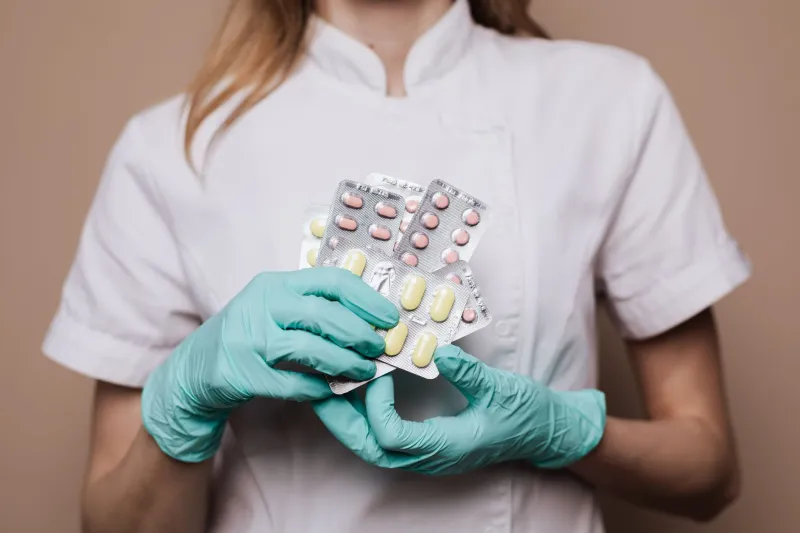
Empty Shelves, Full Concerns: Navigating the Generic Drug Shortage Crisis Affecting American Patients
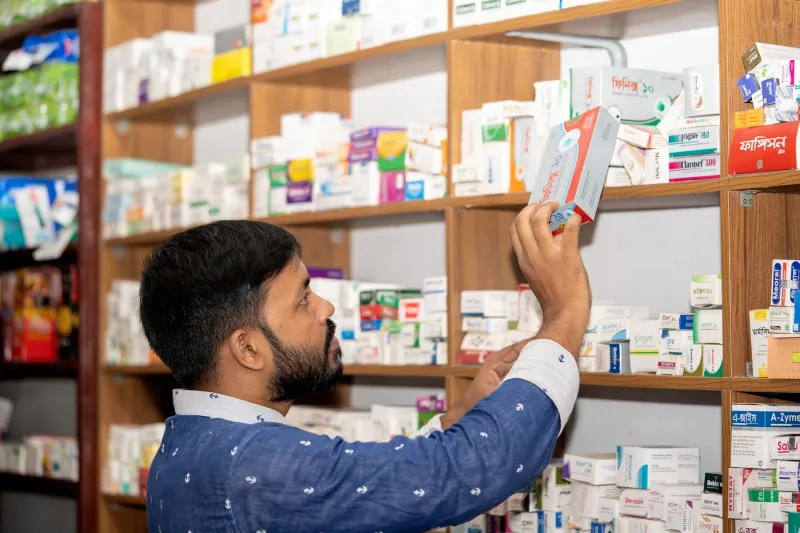
For millions of Americans, a trip to the pharmacy has become an unexpectedly stressful experience. Medications that were reliably stocked just months ago are now listed as unavailable, backordered, or discontinued. Generic drug shortages — once considered a fringe concern — have evolved into a systemic challenge that touches everything from chemotherapy suites to neighborhood drugstores.
Understanding the forces driving these shortages, and knowing what to do when your medication disappears from shelves, is no longer optional knowledge. It is a practical necessity.
Why Generic Drug Shortages Are Getting Worse
The United States relies heavily on generic medications. According to the FDA, generics account for approximately 90 percent of all prescriptions dispensed in the country, yet they represent only about 18 percent of total drug spending. That economic reality — high volume, low margin — sits at the heart of the shortage problem.
Because profit margins on generic drugs are thin, manufacturers face intense pressure to minimize production costs. Many pharmaceutical companies have responded by consolidating manufacturing operations, often relocating production to facilities in India and China, where labor and raw material costs are substantially lower. While this strategy reduces expenses, it also concentrates risk. When a single overseas facility encounters a quality control failure, a natural disaster, or a regulatory shutdown, the ripple effects can eliminate a significant portion of the U.S. supply almost overnight.
The FDA's drug shortage database, which is publicly accessible, regularly tracks dozens of medications in active shortage status at any given time. Sterile injectable drugs — including certain antibiotics, cancer treatments, and anesthetics — are disproportionately represented. These products require sophisticated manufacturing environments and are particularly vulnerable to contamination issues that can trigger facility shutdowns.
The Supply Chain Problem in Plain Terms
Think of the generic drug supply chain as a series of interconnected links, each of which must function reliably for a medication to reach your pharmacy. The process begins with active pharmaceutical ingredient (API) manufacturers, many of which are concentrated in Asia. Those raw materials are then shipped to finished-dose manufacturers, who produce the tablets, capsules, or injectables. From there, the product moves through wholesalers and distributors before arriving at retail and hospital pharmacies.
A disruption at any single point in this chain can cascade downstream. In recent years, the United States has experienced shortages driven by API supply disruptions, FDA warning letters issued to overseas manufacturers for quality violations, labor shortages at domestic packaging facilities, and unexpected surges in demand — such as those triggered by the widespread prescribing of certain medications for off-label uses.
The amoxicillin shortage of 2022 is a notable example. A combination of increased demand, manufacturing delays, and supply chain strain left pediatric patients and their families scrambling for alternatives to one of the most commonly prescribed antibiotics in the country.
Which Drug Categories Are Most at Risk
Not all generic medications face equal shortage risk. Based on historical FDA shortage data and industry reporting, the following categories have experienced the most significant and recurring disruptions:
- Sterile injectables: Including certain antibiotics (such as azithromycin IV and ampicillin-sulbactam), electrolyte solutions, and oncology drugs.
- Controlled substances: ADHD medications, including generic amphetamine salts, have faced repeated shortages tied to DEA manufacturing quotas and raw material constraints.
- Liquid oral formulations: Children's liquid antibiotics and oral suspensions have proven particularly vulnerable due to specialized manufacturing requirements.
- Older generic drugs: Medications that have been off-patent for decades often have few remaining manufacturers. If one exits the market, supply can tighten rapidly.
- Generic chemotherapy agents: Drugs such as carboplatin and cisplatin have experienced critical shortages, forcing oncologists to make difficult treatment substitutions.
What You Should Do If Your Generic Medication Is Unavailable
Finding out your prescription is on backorder can be alarming, but there are concrete steps you can take to protect your health and maintain continuity of care.
1. Contact your prescribing physician immediately. Do not wait until you run out of medication. Your doctor needs to know about the shortage as early as possible so that therapeutic alternatives can be identified and prescribed in a timely manner. In many cases, a clinically equivalent alternative exists within the same drug class.
2. Call multiple pharmacies. Shortage distribution is not always uniform. Independent pharmacies, mail-order pharmacies, and specialty compounding pharmacies may have stock that chain retailers do not. It is worth making several calls before assuming a medication is completely unavailable in your area.
3. Ask about compounding pharmacy options. When a commercially manufactured drug is unavailable, FDA regulations permit licensed compounding pharmacies to prepare a substitute version under specific conditions. Your physician can write a prescription directed to a compounding pharmacy if this route is appropriate for your situation.
4. Check the FDA's Drug Shortage Database. The FDA maintains an updated list of current shortages at accessdata.fda.gov. Reviewing this resource can help you understand whether a shortage is expected to be short-term or prolonged, and whether the FDA has identified alternative suppliers.
5. Contact your insurance company. Some insurers will temporarily authorize coverage for a brand-name version of a medication when the generic equivalent is unavailable. This is not guaranteed, but it is worth requesting a prior authorization review under shortage circumstances.
6. Do not abruptly stop taking any medication without medical guidance. For certain conditions — including epilepsy, cardiovascular disease, and mental health disorders — discontinuing medication without a supervised transition plan can carry serious health risks.
What Policymakers and Industry Are Doing
The shortage crisis has not gone unaddressed at the federal level. The DRUG Act, provisions within the CARES Act, and more recent executive actions have pushed for greater domestic API manufacturing, improved shortage reporting requirements, and increased FDA inspection capacity at foreign facilities. The Biden administration's executive order on supply chain resilience specifically identified pharmaceuticals as a sector requiring strategic investment.
Private sector initiatives have also emerged. Some hospital systems and group purchasing organizations have partnered with domestic generic manufacturers through long-term supply agreements designed to prioritize reliability over the lowest possible price — a meaningful shift in procurement philosophy.
Nonetheless, experts caution that structural change in the generic drug supply chain will take years to materialize. In the meantime, American patients must remain informed and proactive.
A Final Word on Patient Advocacy
If you are experiencing a shortage that is affecting your care, consider reporting your experience to the FDA through its MedWatch portal or by calling 1-800-FDA-1088. Patient-reported shortage data contributes to the agency's understanding of real-world impact and can influence enforcement and communication priorities.
Generic medications are a cornerstone of affordable healthcare in the United States. Protecting access to them requires awareness, preparation, and a willingness to advocate — for yourself and for the broader system that millions of Americans depend upon every day.