Not All Generics Are Created Equal: How to Navigate the Crowded Market of Competing Drug Versions
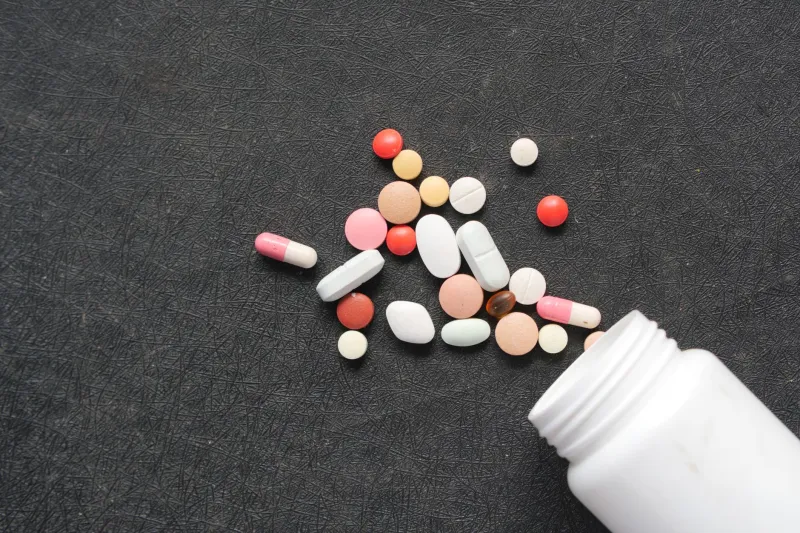
Walk into a chain pharmacy in Houston, then drive twenty minutes to an independent compounding pharmacy in the same city, and there is a reasonable chance you will walk out with the same generic drug—same active ingredient, same dosage, same FDA approval—but manufactured by entirely different companies, packaged in different colors, and formulated with a different set of supporting chemicals. To most patients, this is invisible. To some, it makes a meaningful difference in how the medication performs.
The United States generic drug market is, by design, a competitive ecosystem. When a brand-name drug's patent expires, the FDA opens the door for multiple manufacturers to seek approval for their own versions. Today, blockbuster medications like metformin, lisinopril, and sertraline are produced by dozens of approved suppliers simultaneously. That competition is largely responsible for the dramatic cost savings that generics offer American consumers—but it also means the pill in your bottle this month may not be identical to the one you received last month.
What the FDA Actually Approves—and What It Doesn't
The FDA's generic drug approval process centers on a concept called bioequivalence. For a generic to receive approval, the manufacturer must demonstrate that its version delivers the same active ingredient into the bloodstream at roughly the same rate and concentration as the brand-name reference product. Specifically, the FDA requires that key pharmacokinetic measures—peak drug concentration and overall drug exposure—fall within 80 to 125 percent of the brand-name drug's values, a range considered clinically equivalent for the vast majority of patients.
What the bioequivalence standard does not govern, however, is everything else in the tablet or capsule. Inactive ingredients—collectively referred to as excipients—are largely left to the manufacturer's discretion, provided they are generally recognized as safe. Excipients include binders that hold a pill together, fillers that give it physical bulk, coatings that control dissolution rate, dyes that give the tablet its color, and preservatives that extend shelf life. A generic tablet might contain lactose, corn starch, titanium dioxide, or any number of other compounds that have no direct pharmacological effect but can profoundly influence how a drug is absorbed, tolerated, and experienced.
Why Excipients Matter More Than Most Patients Realize
For the majority of people taking a standard oral medication, excipient variation is clinically irrelevant. The active ingredient does its job regardless of whether the binding agent is microcrystalline cellulose or povidone. But for certain patient populations—those with food allergies, gastrointestinal sensitivities, or conditions that affect drug absorption—the inactive components of a formulation can matter considerably.
Consider a patient with celiac disease or a non-celiac gluten sensitivity. Some generic formulations use wheat-derived starch as a filler. While the amount involved is typically small, the implications for a sensitive individual can be significant. Similarly, patients who are lactose intolerant may react to generics that contain lactose monohydrate as an excipient. Dyes such as FD&C Yellow No. 5, also known as tartrazine, have been associated with hypersensitivity reactions in some individuals, particularly those with aspirin sensitivity.
Beyond allergic concerns, excipient differences can influence dissolution—the rate at which a tablet breaks down in the digestive tract. Coatings and binders affect how quickly an active ingredient is released and where in the gastrointestinal tract it is absorbed. For most drugs, this has negligible clinical consequences. For narrow therapeutic index medications—those where small fluctuations in blood concentration have significant clinical effects—it can be a more pressing concern.
The Pharmacy Sourcing Puzzle
American pharmacies do not typically stock every FDA-approved generic version of a given drug. Instead, they contract with one or two wholesale distributors, who in turn purchase from manufacturers based on price negotiations, supply availability, and contractual agreements. When a manufacturer offers a better price or a competitor faces a supply disruption, the distributor may switch sources—and your pharmacy's stock changes with it.
This explains a phenomenon that puzzles many patients: the pill they receive looks different from the one they took last month, even though the prescription hasn't changed. The active ingredient is identical; the manufacturer is not. In most cases, this switch is seamless. In some cases, patients report noticing a difference—in tolerability, in the way the medication makes them feel, or occasionally in perceived effectiveness.
It is worth noting that anecdotal reports of formulation-specific responses do not always reflect pharmacological differences. Placebo effects, nocebo effects (negative expectations producing negative outcomes), and normal variation in disease symptoms can all contribute to the perception that one generic version works better than another. That said, documented cases of excipient-related intolerances are real and should not be dismissed.
Practical Strategies for American Consumers
If you suspect that a recent switch in your generic's manufacturer has affected your experience, there are several concrete steps worth taking.
Identify the manufacturer on your bottle. The label on your prescription bottle typically lists the manufacturer's name or a National Drug Code (NDC) number, which can be cross-referenced using the FDA's online drug databases. Knowing which company produced your current supply is the first step toward consistency.
Request a specific manufacturer from your pharmacy. Most pharmacies can accommodate requests for a particular generic manufacturer, provided they stock it or can order it through their supplier. This may require a conversation with the pharmacist rather than the pharmacy technician, and it may take a day or two to fulfill. Independent pharmacies often have more flexibility in sourcing than large chain locations.
Review the inactive ingredient list. The FDA's DailyMed database (dailymed.nlm.nih.gov) provides complete prescribing information for approved drug products, including full lists of inactive ingredients. If you have a known sensitivity or allergy, reviewing this list for each manufacturer's version can help you identify which formulations to avoid.
Consult your prescribing physician or pharmacist. If you are taking a narrow therapeutic index drug—such as levothyroxine, warfarin, or certain anticonvulsants—your clinician may have a professional preference for a specific generic manufacturer or may recommend sticking with the brand-name product if your insurance will cover it. This is a legitimate clinical consideration, not simply brand loyalty.
Document your experience. If you believe a formulation change has affected your health, keep a record of the manufacturer, the NDC number, and your symptoms. This information is useful for your healthcare team and can be submitted to the FDA's MedWatch program if you suspect an adverse reaction.
A More Informed Consumer Is a Better-Protected Patient
The generic drug market serves American patients well by keeping medication costs accessible. The competition among manufacturers that drives those savings is, on balance, a feature rather than a flaw. However, the system works best when patients are equipped to navigate it thoughtfully.
Understanding that bioequivalence does not mean chemical identity—that two approved generics can share an active ingredient while differing in everything else—is foundational knowledge for any medication user. Most of the time, those differences are inconsequential. Occasionally, they are not. Knowing how to identify which version you are taking, and how to advocate for consistency when it matters to your health, puts meaningful control back in your hands.
GenericMeds USA encourages all consumers to approach their prescriptions as informed participants rather than passive recipients. Your pharmacist is an underutilized resource in this process—and a conversation about manufacturer consistency costs nothing at the counter.