Behind the Label: Who Actually Makes Your Generic Medication and How to Evaluate Their Quality Record
When Americans pick up a prescription at the pharmacy, they typically see two names: the drug itself and the pharmacy chain. The company that actually manufactured the medication is rarely prominently displayed, and many patients never think to ask. Yet in a market where dozens of companies compete to produce the same generic molecules—often from manufacturing facilities in India, China, and Eastern Europe—the identity and track record of that manufacturer matters more than most consumers realize.
This guide is designed to help you identify who makes your generic medication, how to evaluate their history with the FDA, and what red flags should prompt a conversation with your pharmacist or physician.
The Landscape of Generic Drug Manufacturing in America
The United States generic pharmaceutical market is dominated by a mix of large multinational corporations and smaller specialty manufacturers. On the larger end, companies such as Teva Pharmaceutical, Mylan (now part of Viatris), Sun Pharmaceutical, Aurobindo Pharma, and Amneal Pharmaceuticals collectively supply a substantial share of generic prescriptions filled at American pharmacies each year.
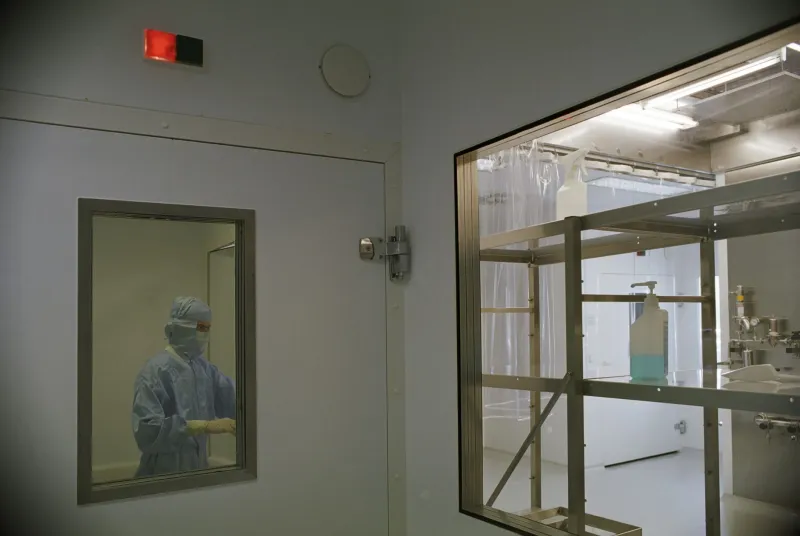
Many of these companies maintain manufacturing facilities both in the United States and abroad. Facilities in India and China supply a significant proportion of active pharmaceutical ingredients (APIs) and finished dosage forms to the American market. This is not inherently problematic—FDA oversight applies to foreign facilities through its foreign inspection program—but it does mean that quality control practices and regulatory compliance records vary considerably across the global supply chain.
Smaller manufacturers, including companies like Lannett, Hikma (which markets under the West-Ward name in the U.S.), and Akorn, occupy specific niches within the market. Some have strong compliance records; others have faced significant regulatory scrutiny. No company's reputation is static, and past performance does not guarantee current quality—but it provides a meaningful starting point for evaluation.
How to Identify Your Medication's Manufacturer
The manufacturer's name is not always visible on the pharmacy label that gets affixed to your prescription bottle. However, it is accessible through several channels.
Check the original packaging or bottle. If your medication comes in the manufacturer's original packaging—common with blister packs or unit-dose products—the manufacturer's name and lot number will be printed directly on the packaging.
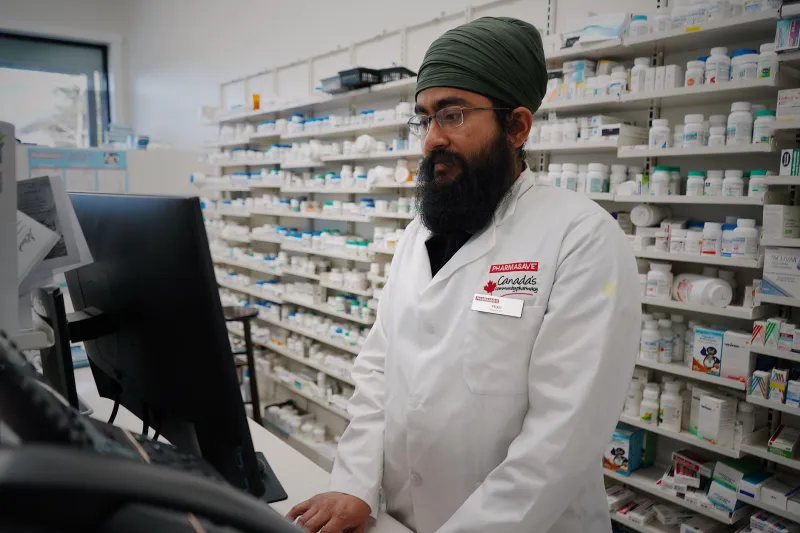
Ask your pharmacist. Your pharmacist has access to the dispensing system that records exactly which manufacturer's product was used to fill your prescription. This is the fastest and most reliable method. Simply ask: "Which company manufactured this specific batch?"
Use the FDA's National Drug Code (NDC) Directory. Every drug product sold in the United States is assigned a unique National Drug Code. The NDC is typically printed on pharmacy labels and packaging. You can enter this code at the FDA's online NDC Directory (accessdata.fda.gov) to retrieve the manufacturer's name, facility information, and product details.
DailyMed database. Maintained by the National Library of Medicine, DailyMed provides complete prescribing information for FDA-approved drugs and includes manufacturer identification. It is free and publicly accessible.
Evaluating a Manufacturer's FDA Compliance History
Once you have identified your medication's manufacturer, the FDA provides several publicly available tools for assessing their regulatory track record.
FDA Warning Letters Database. Warning letters are issued when the FDA identifies significant violations of manufacturing standards—known as Current Good Manufacturing Practices (CGMPs)—at a facility. A warning letter does not necessarily mean a product is unsafe, but it indicates that the FDA found serious concerns serious enough to require formal corrective action. The database is searchable by company name at fda.gov.
Import Alerts. The FDA's import alert system flags facilities and manufacturers that are subject to detention of their products at the U.S. border without physical examination. An active import alert against a manufacturer is a significant regulatory red flag. Import alerts are searchable at the FDA's website.
FDA Recalls Database. The FDA maintains a searchable database of drug recalls, classified by severity. Class I recalls indicate that use of the recalled product may cause serious adverse health consequences. Class II and Class III recalls represent decreasing levels of risk. Searching a manufacturer's name in this database reveals whether they have had recent recall activity and the nature of the issues involved.
FDA Inspection Database (FOIA Reading Room). Inspection reports from FDA facility audits—known as Establishment Inspection Reports, or EIRs—are available through Freedom of Information Act requests and are increasingly posted proactively by the FDA. These reports provide granular detail about conditions observed during inspections.
What Separates Top-Tier Producers From Those With Concerns
A manufacturer's compliance profile is shaped by several factors that quality-conscious consumers and healthcare providers look for.
Consistent CGMP compliance across multiple inspections over time is the strongest indicator of a well-run manufacturing operation. Companies that receive clean inspection outcomes repeatedly—without warning letters, import alerts, or significant Form 483 observations (the FDA's preliminary inspection findings document)—have demonstrated operational discipline.
Transparent recall handling is another differentiator. When manufacturing issues do occur, the manner in which a company responds matters. Companies that initiate voluntary recalls promptly, communicate clearly with the FDA and the public, and implement verifiable corrective actions demonstrate a quality culture that inspectors and industry observers regard favorably.
Conversely, manufacturers with multiple warning letters at the same facility over a short period, unresolved import alerts, or patterns of recalls involving contamination or out-of-specification active ingredient levels warrant closer scrutiny—even if their products remain technically available on the American market.
When to Talk to Your Pharmacist
Most patients taking generic medications from any FDA-approved manufacturer are receiving products that meet established safety and efficacy standards. Routine concern about manufacturer identity is not warranted for the majority of drugs and circumstances.
However, certain situations make this inquiry more relevant. If you are taking a medication for a serious or complex condition—epilepsy, HIV, cancer, organ transplant rejection—and your pharmacy has recently switched manufacturers, it is reasonable to ask your pharmacist about the new supplier's compliance history. If a medication you are taking is subject to a recall, the FDA's MedWatch notification system (fda.gov/safety/medwatch) provides timely alerts that you can subscribe to by email.
If your pharmacist cannot answer your questions about a specific manufacturer's quality record, your physician or a clinical pharmacist affiliated with your health system may be better positioned to help you evaluate the information and determine whether any action is appropriate.
The generic drug market delivers enormous value to American consumers, and the FDA's oversight framework provides a meaningful baseline of quality assurance. But informed patients who take the time to look behind the label—and who know where to look—are better equipped to ask the right questions and make confident decisions about the medications they depend on.