Why Your Generic Blood Pressure Pill Seems to Work Differently Each Time You Refill
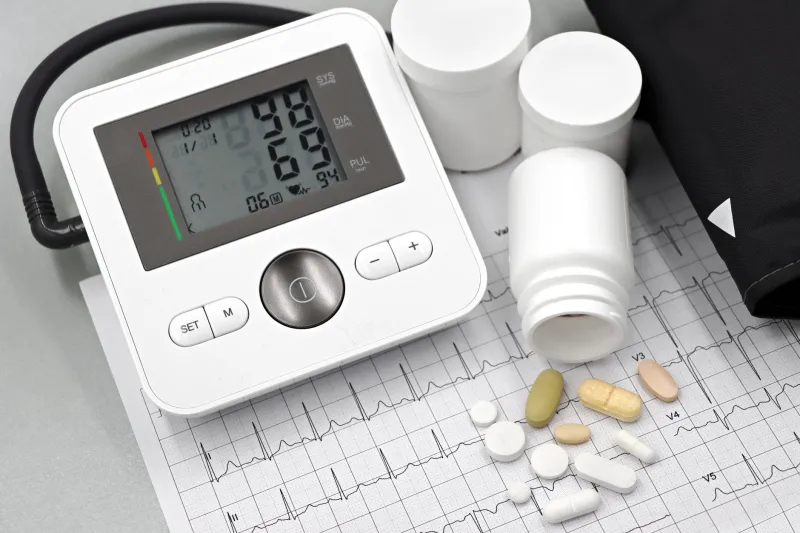
For many Americans managing hypertension, the monthly ritual of picking up a prescription refill is unremarkable—until it isn't. A growing number of patients have described experiences that follow a puzzling pattern: blood pressure readings that were stable for months suddenly creep upward, or side effects that had faded quietly return. The pills look the same. The label reads the same. Yet something feels off.
This phenomenon is not imaginary, nor is it simply the result of lifestyle changes or seasonal fluctuation. It has a regulatory and pharmacological basis rooted in how the FDA defines and approves generic drug equivalence—and understanding that basis is essential for any American relying on a generic medication to manage a chronic condition.
What the FDA Actually Requires for Generic Approval
When a pharmaceutical manufacturer seeks FDA approval for a generic drug, it must demonstrate that the product is bioequivalent to the brand-name reference drug. Bioequivalence, in practical terms, means that the generic delivers a comparable amount of active ingredient into the bloodstream at a comparable rate.
The FDA's standard for bioequivalence requires that the generic's pharmacokinetic measures—specifically, peak drug concentration (Cmax) and total drug exposure (AUC)—fall within 80% to 125% of the brand-name drug's values. This range is often described in regulatory literature as a "90% confidence interval," meaning the statistical window within which the generic's performance must consistently land.
On paper, this sounds reassuringly tight. In practice, however, it means that two FDA-approved generics of the same drug could theoretically differ from each other by as much as 45 percentage points in effective drug delivery while each remaining individually compliant. More relevant to the everyday patient: a single generic product, manufactured in different batches at different times, may legally vary within that same window from one production run to the next.
The Manufacturing Variable Most Patients Never Consider
Bioequivalence testing is conducted once—at the time of initial approval—using a specific batch of the drug under controlled conditions. After that point, the manufacturer is required to maintain quality standards, but routine batch-to-batch pharmacokinetic testing is not mandated in the same rigorous format.
This creates a regulatory gap that rarely surfaces in public conversation. Raw material sourcing, tablet compression pressure, excipient ratios, and even humidity levels during manufacturing can all influence how quickly a tablet dissolves and how efficiently the active compound is absorbed. Generic manufacturers—many of whom source active pharmaceutical ingredients (APIs) from facilities in India, China, or other international locations—may shift suppliers or adjust formulations over time, sometimes without triggering a requirement for new bioequivalence studies.
For most medications and most patients, these variations are clinically irrelevant. A person taking a generic antihistamine or a short-course antibiotic is unlikely to notice a modest fluctuation in drug absorption. But for patients managing cardiovascular disease, where blood pressure targets are precise and the consequences of missing them are serious, even modest pharmacokinetic drift can translate into measurable clinical outcomes.
What Patients Are Reporting
Anecdotal accounts of month-to-month variability in antihypertensive generics appear regularly in patient forums, physician offices, and pharmacy consultations. Patients describe refills where their home blood pressure monitor suddenly reads higher than it has in months, followed by a return to normal at the next fill—sometimes without any other explanation.
Cardiologists and pharmacists who work closely with hypertensive patients are familiar with this pattern. Some practitioners have begun asking patients to note which manufacturer's version they received with each refill, since many pharmacies rotate suppliers based on wholesale pricing and availability. In an era where drug shortages have become routine and pharmacy benefit managers exert significant pressure on formulary costs, the manufacturer behind a given bottle of lisinopril or amlodipine may change several times in a single year.
While large-scale clinical studies documenting this variability in real-world antihypertensive outcomes remain limited, smaller pharmacokinetic analyses and case series have lent credibility to what patients have long reported. The FDA itself has acknowledged that certain drug categories—narrow therapeutic index drugs, modified-release formulations, and drugs with complex absorption profiles—warrant heightened scrutiny under the bioequivalence framework.
Narrow Therapeutic Index Drugs: A Special Category
It is worth distinguishing between standard generics and those classified as narrow therapeutic index (NTI) drugs—medications where the difference between a therapeutic dose and a toxic or subtherapeutic one is small. Drugs like warfarin, levothyroxine, and certain antiepileptics fall into this category, and the FDA applies more stringent bioequivalence criteria to them.
Most common antihypertensives—ACE inhibitors, ARBs, calcium channel blockers, and thiazide diuretics—are not classified as NTI drugs. This means they are held to the standard 80–125% bioequivalence window rather than the tighter parameters applied to NTI medications. For patients who are particularly sensitive to dosing precision, this distinction matters considerably.
Practical Strategies for Managing Variability
For patients who believe they are experiencing month-to-month fluctuations in their generic blood pressure medication, several practical steps are worth discussing with a healthcare provider or pharmacist.
Track the manufacturer, not just the drug name. Generic drug bottles in the United States are required to list the manufacturer's name. Patients can log this information alongside their blood pressure readings to identify whether changes in readings correlate with changes in the supplying manufacturer. Apps designed for medication tracking can facilitate this process.
Request consistency at the pharmacy level. While pharmacists cannot always guarantee a specific manufacturer, many independent pharmacies have more flexibility in sourcing than large chains. Patients who have established a consistent response to a particular manufacturer's version may be able to request that the pharmacy attempt to source that specific product.
Consider requesting a brand-name prescription in exceptional cases. For patients with particularly difficult-to-control hypertension or documented sensitivity to formulation changes, a prescribing physician can write a prescription that specifies "dispense as written" (DAW), which directs the pharmacy to dispense the brand-name product. This typically involves a higher out-of-pocket cost, but may be covered under certain insurance plans when medically justified.
Maintain consistent home monitoring practices. Variability in blood pressure readings can stem from many sources—time of day, stress, caffeine intake, and measurement technique. Before attributing a change to medication performance, patients should ensure their monitoring routine is as standardized as possible.
Report suspected quality issues to the FDA. The FDA's MedWatch program accepts voluntary reports from patients and healthcare professionals regarding suspected medication quality problems. These reports contribute to post-market surveillance and can prompt regulatory review.
Putting the Risk in Perspective
It would be inaccurate—and counterproductive—to characterize the FDA's bioequivalence framework as fundamentally flawed. The 80–125% standard was developed based on decades of pharmacokinetic research and reflects a scientifically grounded effort to balance therapeutic equivalence with the practical realities of pharmaceutical manufacturing. For the vast majority of patients, generic antihypertensives perform reliably and represent an essential tool in making chronic disease management financially accessible.
At the same time, informed patients and clinicians deserve to understand the full regulatory picture—including the variability that is not only possible within that framework, but legally permissible. The goal of this awareness is not to discourage generic drug use, but to equip patients with the knowledge to monitor their own outcomes more effectively and to engage their healthcare providers in more precise, evidence-informed conversations.
Generic medications are a cornerstone of affordable healthcare in the United States. Understanding how they are regulated—and where that regulation's boundaries lie—is simply part of being an informed consumer.