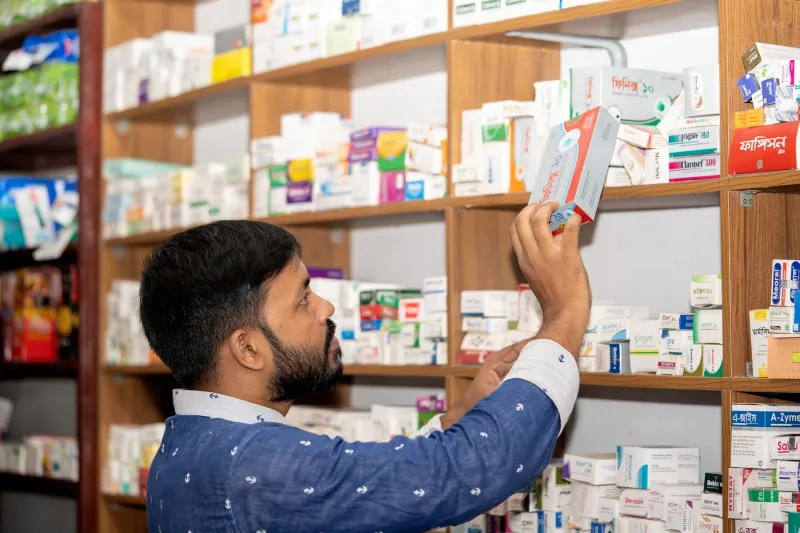
Expired or Just Outdated? What the Science Really Says About Generic Drug Shelf Life
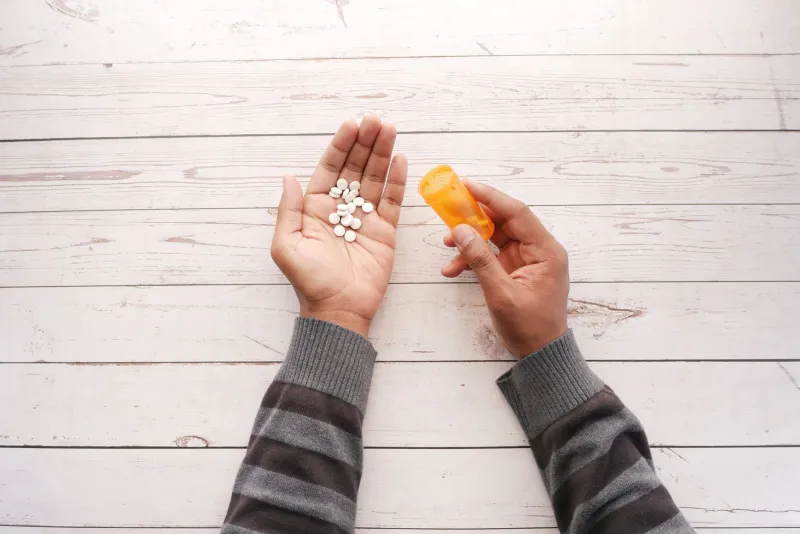
Every year, American households throw away billions of dollars' worth of prescription and over-the-counter medications. The culprit is almost always the same: a printed expiration date that has quietly passed. For many consumers, that stamped date carries the weight of an absolute warning—cross it, and the medication becomes not just ineffective but potentially harmful. The reality, however, is considerably more complicated, and understanding it could meaningfully reduce what you spend at the pharmacy.
What an Expiration Date Actually Guarantees
The expiration date printed on a medication bottle is not a safety cliff. It is, more precisely, a manufacturer's guarantee. Under FDA regulations, pharmaceutical companies are required to conduct stability testing to determine how long a drug maintains at least 90 percent of its labeled potency under specific storage conditions. The date stamped on the label represents the endpoint of that tested period—not the moment the drug transforms into something dangerous.
In other words, the manufacturer is telling you: we can confirm this product performs as labeled through this date. What happens after that date is largely unknown territory from a regulatory standpoint, not a documented hazard zone.
This distinction matters enormously for generic drug consumers. Because generic manufacturers produce medications at lower price points with thinner margins, the stability testing they submit to the FDA may cover a shorter window than a brand-name counterpart—sometimes as few as 18 to 24 months. The drug itself, however, may remain chemically stable far beyond that window.
The SLEP Study: A Government-Funded Reality Check
The most compelling evidence challenging the expiration date myth comes from an unlikely source: the U.S. military. Beginning in 1986, the Department of Defense partnered with the FDA on the Shelf Life Extension Program (SLEP), a large-scale initiative designed to determine whether stockpiled military medications could safely be used beyond their labeled dates—and thereby avoid the enormous cost of routine replacement.
The results were striking. A landmark analysis published in the Journal of Pharmaceutical Sciences found that approximately 88 percent of the tested medications remained fully potent and chemically stable well beyond their expiration dates—in some cases, by more than a decade. The drugs tested included common generics such as amoxicillin, ciprofloxacin, and various antihistamines.
The SLEP program was designed for federal stockpiles, not consumer medicine cabinets, but its findings carry a clear implication: the chemistry of many solid oral medications does not suddenly degrade the moment a calendar date is crossed.
Storage Conditions Matter More Than the Date
If expiration dates are conservative estimates rather than hard deadlines, what actually determines how long a medication remains viable? The answer is largely environmental.
Heat, humidity, and light are the primary enemies of drug stability. This is why pharmacists have long advised storing medications in cool, dry locations—and why the medicine cabinet inside a steamy bathroom is, ironically, one of the worst places in the home to keep them. A generic antibiotic stored in a hot car glove compartment may genuinely degrade before its expiration date, while the same medication stored in a dark, climate-controlled drawer could remain stable well beyond it.
Solid dosage forms—tablets and capsules—are generally the most stable. Liquid medications, eye drops, and injectables are far more susceptible to degradation and should be treated with greater caution. Nitroglycerin, liquid antibiotics mixed at the pharmacy, and insulin are among the medications where expiration guidance should be followed more strictly.
The Exceptions: When Expiration Dates Demand Respect
None of the above should be interpreted as a blanket endorsement of using all expired medications indefinitely. Several important exceptions apply.
First, medications with narrow therapeutic windows—drugs where the difference between an effective dose and an ineffective or toxic one is small—warrant particular caution. Digoxin, warfarin, and certain seizure medications fall into this category. A meaningful drop in potency could have clinical consequences.
Second, any medication that has visibly changed in color, texture, odor, or consistency should be discarded regardless of its expiration date. Physical changes are a reliable signal that chemical degradation has occurred.
Third, controlled substances and medications used for acute, time-sensitive conditions—an epinephrine auto-injector during an allergic reaction, for instance—should always be current and replaced on schedule. This is not a situation where cost savings should enter the calculation.
Practical Guidance for Generic Drug Consumers
For the average American managing a household medicine supply, a few practical principles follow from this evidence.
Audit your storage, not just your dates. Before discarding a medication because its date has passed, consider where and how it has been stored. A tablet kept in a sealed container in a consistently cool, dry location is a fundamentally different situation than one that has cycled through temperature extremes.
Prioritize replacement for high-stakes medications. Chronic condition medications, particularly those with narrow therapeutic windows or liquid formulations, should be kept current. For these, the modest cost of replacement is justified.
Consult your pharmacist before discarding. Pharmacists are an underutilized resource in this conversation. A brief question about a specific generic medication's known stability profile can save both money and unnecessary waste.
Dispose of expired medications responsibly. When discarding is appropriate, the FDA recommends using designated drug take-back programs—available at many pharmacies and law enforcement locations—rather than flushing medications or placing them in household trash.
The Broader Cost Implication
For Americans already navigating the financial pressures of prescription drug costs, the expiration date question is not trivial. A household that reflexively discards a $60 bottle of generic antifungal medication or a $45 supply of generic antihistamines based on a date that passed last month may be disposing of medication that is, by every chemical measure, still fully effective.
The FDA has acknowledged the complexity here. The agency's own consumer guidance notes that expiration dates are not indicators that a drug has become unsafe, and it has expressed support for further research into post-expiration stability. Until that research produces more individualized guidance, the most defensible consumer position is an informed one: understand what the date means, assess the specific medication and its storage history, and make decisions based on evidence rather than assumption.