When Your Pill Changes Its Face: Understanding Why Generic Medications Look Different at Every Refill
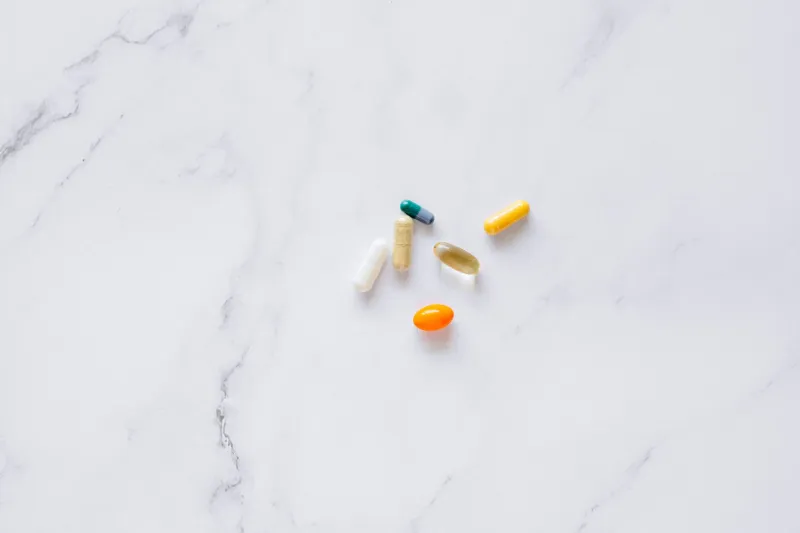
There is a particular moment that many American prescription holders know well: you pick up your monthly refill, pop open the bottle, and find yourself staring at a pill that bears no resemblance to the one you swallowed yesterday. Same drug name on the label. Same dosage. Completely different appearance. For millions of patients across the country, this experience triggers immediate alarm—and, in some cases, a frantic call to the pharmacy or a reluctant decision not to take the medication at all.
The good news is that what you are experiencing is not a dispensing error. It is a routine, federally sanctioned feature of the American generic drug marketplace. Understanding the mechanics behind it can transform a source of anxiety into a manageable—even unremarkable—part of managing your health.
Why Generic Pills Are Allowed to Look Different
When a brand-name drug's patent expires, multiple pharmaceutical manufacturers are permitted to produce and sell their own versions of that medication. The U.S. Food and Drug Administration (FDA) requires that each generic version contain the same active ingredient, in the same strength, with equivalent bioavailability to the original. What the FDA does not regulate is the physical appearance of the tablet or capsule.
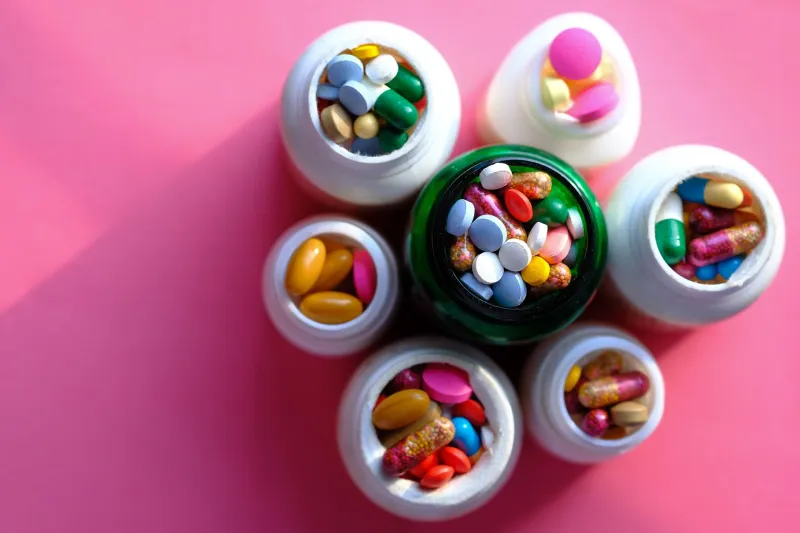
Color, shape, size, coating, and the imprint stamped onto a pill are considered part of a manufacturer's proprietary identity—essentially a form of trade dress. One company might produce a small, white, round tablet; another might offer the identical active compound in an oblong, pale yellow form. Both are legally compliant. Both are therapeutically equivalent. They simply look nothing alike.
Pharmacies across the United States source generic medications from a rotating pool of approved manufacturers, often switching suppliers based on contract pricing, regional availability, or inventory constraints. The result is that your pharmacy may stock a different manufacturer's version of your medication from one month to the next—sometimes from one week to the next—without any obligation to notify you in advance.
The Scale of the Variation
Consider a common medication like metformin, the widely prescribed diabetes drug. Dozens of FDA-approved generic manufacturers produce it. Each may use different inactive ingredients (known as excipients) to bind the tablet, control its release, or simply give it structural integrity. These differences in formulation can produce dramatic differences in appearance while delivering the same therapeutic outcome.
A 2019 study published in the Annals of Internal Medicine found that a significant number of patients who encountered visual changes in their medications reported reduced adherence—meaning they were less likely to take the pill correctly or at all. This is not a trivial concern. Poor medication adherence is estimated to cost the U.S. healthcare system over $100 billion annually in avoidable hospitalizations and complications.
The irony is that the very system designed to make medications more affordable—the generic drug market—can inadvertently undermine the consistent use of those medications simply because the pills look unfamiliar.
How to Verify You Have Received the Correct Medication
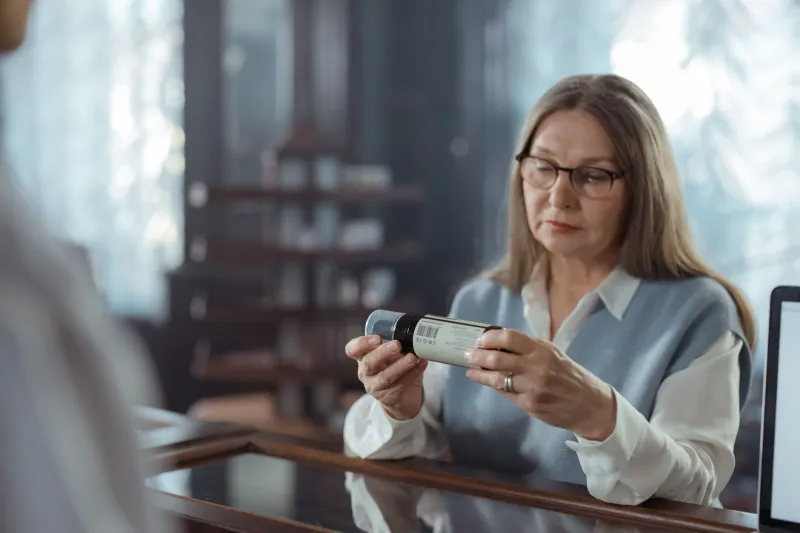
If your refill looks different, the most immediate step is to confirm the drug name, dosage, and manufacturer on the pharmacy label. Pharmacists are required by law to dispense exactly what is prescribed, and your label should clearly identify the active ingredient and its concentration.
Beyond the label, the FDA maintains a free, publicly accessible resource called the National Drug Code (NDC) Directory, available at fda.gov. Every legally marketed medication in the United States is assigned a unique NDC number, which appears on your prescription bottle. You can enter this number into the directory to confirm the product's identity, manufacturer, and approved specifications.
Additionally, the Drugs@FDA database allows consumers to search for approved drug products and cross-reference their descriptions. Many pharmacists will also print a medication information sheet with each refill that includes a physical description of the pill—this is an underutilized but valuable resource.
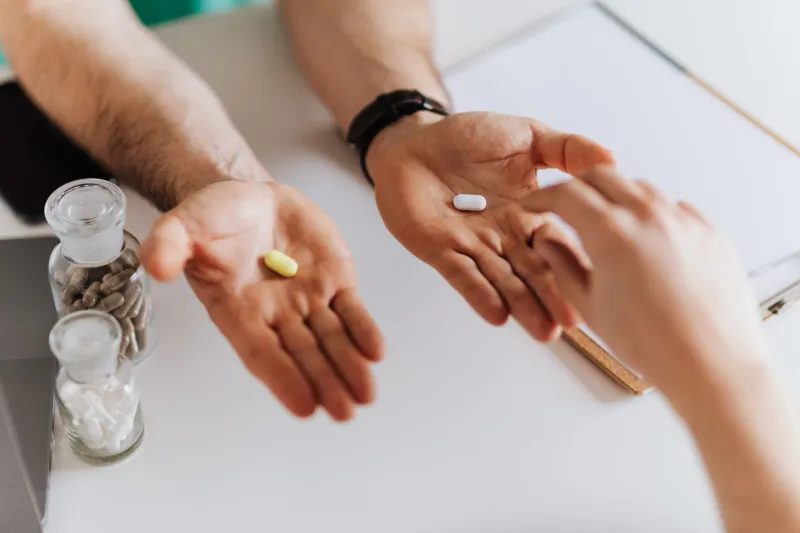
If you remain uncertain after consulting these tools, do not hesitate to speak directly with your pharmacist. A licensed pharmacist can pull the product insert, confirm the NDC match, and walk you through exactly why your pill looks different. This is precisely the kind of patient-facing service pharmacists are trained to provide.
Managing the Psychological Dimension
Knowing that your changed pill is safe is one thing. Feeling comfortable taking it is another matter entirely.
Research in health psychology consistently shows that patients form strong visual associations with their medications. The color, shape, and even texture of a pill become part of how a patient recognizes and trusts it. When that visual anchor disappears, the brain registers something closer to risk than routine—even when no actual risk is present.
Some practical strategies can help bridge that gap:
Keep a medication log. A simple notebook or smartphone note that records the drug name, dosage, current appearance, and the name of the manufacturer each month gives you a personal reference point. When the pill changes, you have documentation of the transition rather than a mystery to solve.
Ask your pharmacy for advance notice. Some pharmacies, particularly independent ones with more flexible customer service policies, will flag a supplier change on your account so that the pharmacist mentions it when you pick up your prescription. It is worth asking whether this is an option.
Use a pill identifier tool. Reputable websites such as Drugs.com and Pillbox (operated by the National Library of Medicine) allow you to input a pill's color, shape, and imprint to identify it independently. These tools are free, easy to use, and can provide immediate reassurance.
Talk to your prescribing physician. If you have a documented sensitivity to certain inactive ingredients—dyes, lactose, gluten—your doctor may be able to note this on your prescription or request a specific manufacturer. This is not always possible, but it is a legitimate clinical conversation.
A Note on Therapeutic Equivalence
It bears repeating: FDA approval of a generic drug requires demonstrated bioequivalence to the brand-name reference product. This means the generic delivers the active ingredient into your bloodstream at a rate and extent that falls within an acceptable range of the original. The agency publishes its evaluations in the Orange Book (formally the Approved Drug Products with Therapeutic Equivalence Evaluations), which is freely available online and updated regularly.
For the vast majority of medications, switching between generic manufacturers produces no clinically meaningful difference in therapeutic effect. Narrow therapeutic index drugs—those where small changes in blood concentration can have significant clinical consequences, such as certain anticoagulants or thyroid medications—are subject to more careful scrutiny, and patients taking these drugs should discuss manufacturer consistency with their physicians.
The Bottom Line for American Consumers
The generic drug market is one of the most effective cost-containment tools available to American patients. In 2023, generic medications accounted for approximately 90 percent of all prescriptions dispensed in the United States while representing a fraction of total drug spending. That economic efficiency, however, comes with a trade-off: visual consistency is not guaranteed.
Being an informed consumer means understanding that a changed appearance is not a changed medication. It means knowing where to look for verification, knowing what questions to ask your pharmacist, and having the tools to manage the unease that visual variation can produce. With those resources in hand, the so-called generic drug lottery becomes far less of a gamble—and far more of a predictable, navigable feature of modern American healthcare.