Counting Down to Cheaper: A Consumer's Guide to Upcoming Patent Expirations and What They Mean for Your Wallet
What Is a Patent Cliff, and Why Does It Matter to You?
In the pharmaceutical industry, a "patent cliff" refers to the moment a brand-name drug loses its exclusive market protection, allowing other manufacturers to produce and sell chemically equivalent versions at a fraction of the original price. For patients, this moment can be transformative. Generic entry into a market has historically driven prices down by 80 to 90 percent within the first year of competition, according to data from the U.S. Food and Drug Administration.
Patent cliffs do not happen overnight, and they do not affect every drug in the same way. Some medications face a single expiration date; others are shielded by a web of secondary patents covering delivery mechanisms, dosage forms, or manufacturing processes. Understanding this distinction is essential for setting realistic expectations about when and how much you might save.
The Blockbusters on the Horizon: What Is Losing Protection Soon
Several high-profile medications are approaching or have recently entered their patent expiration windows. While the exact timing of generic availability can shift due to litigation, regulatory delays, or exclusivity extensions, the following categories represent areas where American consumers are likely to see meaningful pricing changes within the next two to three years.
Diabetes and Metabolic Medications
The GLP-1 receptor agonist class — which includes medications used for both type 2 diabetes management and weight loss — has attracted enormous attention. Some formulations within this class are approaching the end of their core compound patent protection, though manufacturers have filed numerous secondary patents that could delay full generic competition. Consumers currently paying out-of-pocket for these agents should monitor FDA approval announcements closely, as biosimilar and generic pathways are actively being pursued by multiple manufacturers.
Cardiovascular Drugs
Several anticoagulants and cholesterol-lowering agents that became standard of care over the past decade are entering or approaching their exclusivity windows. Once generics for these drugs receive FDA approval, patients on long-term cardiovascular therapy could see their monthly costs drop from triple digits to single digits in some cases.
Immunology and Autoimmune Treatments
Biologic drugs used to treat conditions such as rheumatoid arthritis, psoriasis, and inflammatory bowel disease operate under a slightly different regulatory framework. Their generic equivalents — called biosimilars — have been entering the market with increasing frequency, and several additional biosimilar applications are currently under FDA review. While biosimilar competition does not always drive prices as steeply as small-molecule generics, the savings can still be substantial for patients who previously had no alternatives.
Mental Health Medications
Certain extended-release formulations of antidepressants and antipsychotics that were reformulated to extend patent life are now approaching the end of those secondary protections. When generics for these formulations become available, patients managing chronic mental health conditions may find their medication costs reduced significantly without any change to their treatment regimen.
Why Generic Entry Does Not Always Happen on Day One of Patent Expiration
One of the most common sources of confusion for consumers is the gap between a drug's patent expiration date and the actual arrival of a generic at their local pharmacy. Several factors contribute to this delay.
First, the FDA must formally approve each generic applicant before that product can be sold in the United States. The review process takes time, and manufacturers typically file applications well in advance of a patent expiration to shorten the wait. However, if the brand-name manufacturer challenges those applications in court — a common practice — a 30-month litigation stay can further delay approval.
Second, the first generic manufacturer to file an application is often granted 180 days of market exclusivity before other generics can enter. During this window, the single approved generic may not drop prices as dramatically as consumers might hope, because competition remains limited. Prices typically fall most steeply once multiple manufacturers are selling the same molecule simultaneously.
Third, some brand-name companies pursue what is known as an "authorized generic" strategy, in which they license their own product for sale under a generic label. This can complicate the competitive landscape and may not always deliver the deepest discounts.
How to Anticipate and Act on Upcoming Generic Availability
Knowing that a patent cliff is approaching is only useful if you take concrete steps to benefit from it. The following strategies are worth considering.
Track FDA Approval Announcements
The FDA maintains publicly accessible databases, including the Orange Book for small-molecule drugs and the Purple Book for biologics and biosimilars, that document patent expiration dates and the status of pending generic applications. Bookmarking these resources and checking them periodically can give you advance notice of when a generic for your medication is likely to become available.
Talk to Your Prescriber Early
If a generic version of your current medication is expected to reach the market within the next six to twelve months, it is worth discussing this with your physician in advance. In some cases, your doctor may be willing to continue your current prescription with the understanding that a switch to the generic will be appropriate once it is available, rather than transitioning you to a different branded alternative.
Ask Your Pharmacist About Therapeutic Equivalents
Even before a direct generic of your specific drug becomes available, a therapeutically equivalent medication in the same class may already have a generic. Your pharmacist can identify whether a lower-cost alternative exists that your prescriber might consider appropriate for your situation.
Revisit Your Insurance Formulary
Insurance formularies are updated regularly, and the arrival of a new generic often triggers a formulary tier change that reduces your copayment. Contact your insurer or review your plan's drug list after a new generic launch to ensure you are being charged the appropriate tier rate.
Consider Patient Assistance Programs as a Bridge
If you are currently unable to afford a brand-name medication that is approaching its patent cliff, manufacturer assistance programs and nonprofit prescription resources may help cover costs in the interim. These are not long-term solutions, but they can serve as a financial bridge while you wait for generic competition to arrive.
The Bigger Picture: What Patent Cliffs Mean for the U.S. Drug Market
The wave of patent expirations expected over the next several years represents one of the most significant opportunities for cost reduction in the American prescription drug market in recent memory. Analysts have estimated that medications accounting for tens of billions of dollars in annual brand-name sales will face generic competition within this window.
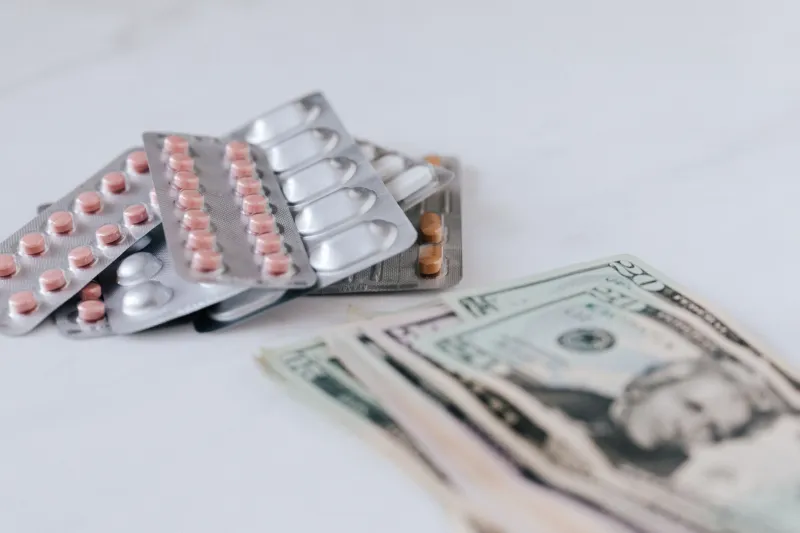
For individual consumers, especially those managing chronic conditions that require daily medication, the cumulative savings over months and years can be profound. A patient currently spending $400 per month on a brand-name drug who transitions to a generic priced at $40 per month saves nearly $4,400 annually — money that can be redirected toward other healthcare needs or simply kept in their pocket.
Staying informed, asking the right questions, and planning ahead are the most reliable tools available to American patients navigating this landscape. The patent cliff is coming. The consumers who prepare for it will be the ones who benefit most.